
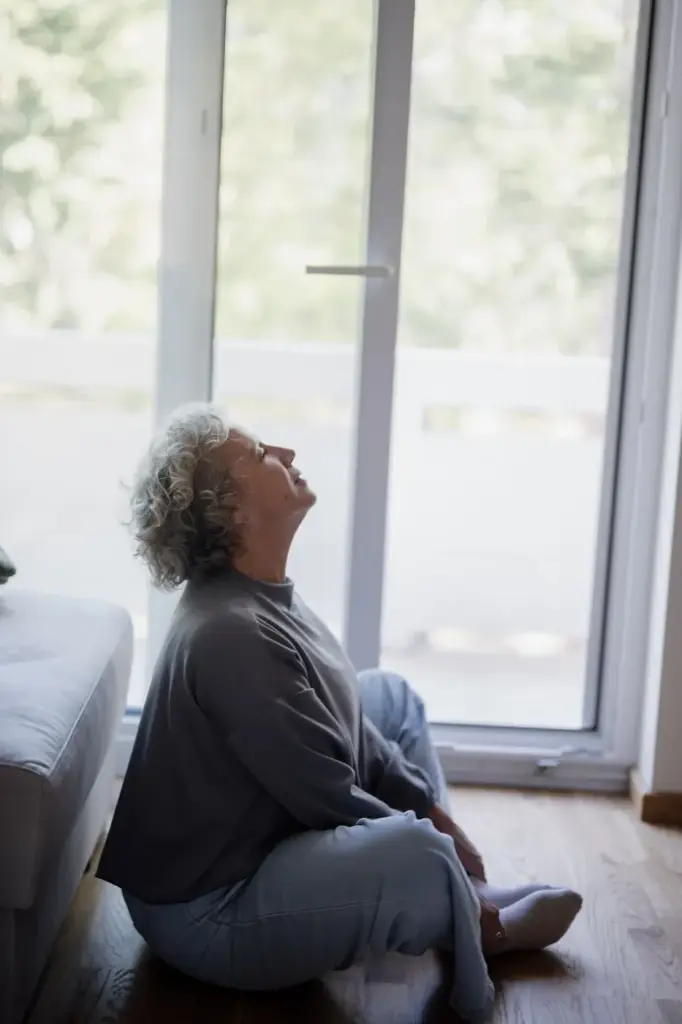
Window light is natural daylight that enters through a window and lights your subject from one side. Because the window acts as a large, soft source, it gives gentle shadows, smooth skin tones and a natural look. It is one of the simplest ways to make portraits and product pictures at home.
Why It Matters
A window gives you a studio-quality light for free. It is large, it is steady for several minutes at a time, and you can see exactly what it does to your subject before you press the shutter.
It is also a forgiving place to learn light. Small changes in position make clear differences, so you quickly see how distance, angle and fill change the look of a photo.
Beginner Simple Window Light Setups
The best window for a beginner faces away from direct sun, such as a north-facing window in the Northern Hemisphere or a south-facing one in the Southern Hemisphere. It gets bright skylight without harsh beams. If direct sun comes through, hang a thin white curtain or sheet to diffuse it.
Basic Side Light Portrait
- Turn off the room lights. Mixed lamps and daylight make the color look uneven.
- Seat your subject about 3 feet from the window, with the window to one side of them.
- Turn their face slightly toward the window, so the light wraps the near cheek and leaves a soft shadow on the far side.
- Place a white card, foam board or bedsheet on the other side to bounce light into the shadows.
- Use Aperture Priority at f/2 to f/4, ISO 400 to 800 and check that the shutter speed is at least 1/125 second for a person.
Other Easy Setups
- Facing the window: the subject looks to the window with light on the whole face, giving even, bright results and big catchlights.
- Back to the window: the subject faces into the room with a reflector in front, which gives a glowing hair edge.
- Still life: place a plate, flower or product on a table beside the window and use a white card opposite to fill.
Choosing Exposure
Interiors are darker than they look. Open your aperture, raise ISO and use spot or center-weighted metering on the face rather than the whole scene. If the window itself is in the frame, it will be much brighter than the subject and the meter will be fooled. Add exposure compensation or reduce the window area in the frame.
Common Mistakes
- Leaving ceiling lights on, which adds a yellow cast to one side of the face.
- Placing the subject too far from the window, so the light drops and the pictures are dim and noisy.
- Letting direct sun cast hard patches on the face.
- Ignoring the shadow side instead of adding a reflector.
Time Of Day And Direction
Windows give different light at different hours. A window that receives direct sun in the morning may give only soft skylight by afternoon, so check the room at several times and pick the hour that suits your subject. On bright days, the light through a sheer curtain is almost shadowless, while a window on a cloudy day gives moody, low contrast results. Keep a note of which room and time worked, so you can repeat the setup later.
Handy for this: Speedlight Flash — add light anywhere. (affiliate link)
Advanced Window Size, Distance And Falloff
Why Distance Changes Everything
Light from a window follows a version of the inverse square rule. A subject close to the window sees a rapid drop in brightness from the near side of the face to the far side. Moving the subject farther away makes the light more even but dimmer, and moving closer increases contrast. For a point source, brightness falls with the square of the distance, though a large window behaves differently at close range because it is not a point. See inverse square law for the numbers.
Window Size And Softness
A big window relative to the subject gives soft shadows with gradual edges. A narrow window, or one partly blocked by blinds, gives a more directional light with crisper shadows. You can reduce the effective size with black fabric to get more drama, or increase it by pulling curtains fully open. This is the same principle explained in hard versus soft light physics.
Controlling Contrast With Fill And Negative Fill
To lighten the shadow, place a white reflector opposite the window. To deepen it, use negative fill: a black card or dark cloth on the shadow side removes bounced room light. Switching between white and black fill is the quickest way to change the lighting ratio. Our lesson on reflectors and diffusers shows the types in detail, and lighting ratios explains how to measure the result.
Color And Consistency
Daylight changes as the sun moves and clouds pass, so exposure and color shift during a session. Use manual exposure or check your histogram every few shots. Set a custom white balance from a gray card in the window light, or shoot raw and correct later. If you must mix window and lamp light, replace the bulbs with daylight-balanced ones or switch them off.
Reading Highlights And Shadows
Window light usually gives a wide difference between the lit side and the room. Check the histogram after each shot. If the left side is crowded against the edge, the shadows are too dark, and if the right side is cut off, skin highlights are clipping. Lower the exposure for bright skin, then use fill to lift shadows instead of raising overall exposure. Shooting raw gives you extra room to correct these small errors without visible damage to the file.
Try It
- Choose a window with soft light and turn off all room lamps.
- Photograph a still object or a person at 2 feet, 4 feet and 8 feet from the window with the same settings except exposure.
- Add a white card on the shadow side and take another frame, then replace it with a black card for a third.
- Compare the contrast and shadow detail across the frames and note which setup you liked most.
Common Questions
What kind of window gives the best light?
A large window that does not receive direct sun, such as one facing away from the sun. It gives soft light with gentle shadows. If sun hits the window, diffuse it with a thin white curtain.
How do I stop window light photos from looking dark?
Move the subject closer to the window, use a wider aperture, raise the ISO and meter off the face instead of the room. A white reflector opposite the window also adds useful brightness.
Should I use flash with window light?
Usually not needed. Window light is soft and flattering by itself. Flash can help when the room is very dim, but it tends to flatten the look unless bounced or diffused.
Why does one side of the face look so dark?
The light comes from only one direction, and room walls may absorb the rest. Add a white card or reflector on the shadow side, or turn the subject slightly toward the window.
Related Lessons
- Open Shade Light for outdoor soft light similar to a window.
- Reflectors And Diffusers to fill shadows or soften direct sun.
- Portrait Lighting Patterns to learn the classic face shapes light can make.
- Inverse Square Law to see how distance changes brightness.
- Lighting Ratios to measure and control contrast between light and shadow.
Gear That Helps With This
Hand-picked kit that makes this lesson easier to put into practice.
Some links are affiliate links: if you buy through them we may earn a small commission at no extra cost to you. How this works.