
Choosing a tripod means matching its load rating, working height, weight and stiffness to your camera, lens and style of shooting. A good tripod holds the camera steady at eye level, folds small enough to carry, and costs less than the damage a falling camera would do. Stability matters more than any extra feature.
Why It Matters
A tripod is one of the few pieces of gear that lasts for decades, yet many people buy a flimsy one first and replace it. Poor tripods vibrate, sag under heavy lenses and tempt you to leave them at home.
Understanding the main specifications lets you buy once. It also lets you judge claims on a box, because the load figures and heights are not always comparable.
Beginner Choosing A Tripod For Beginners
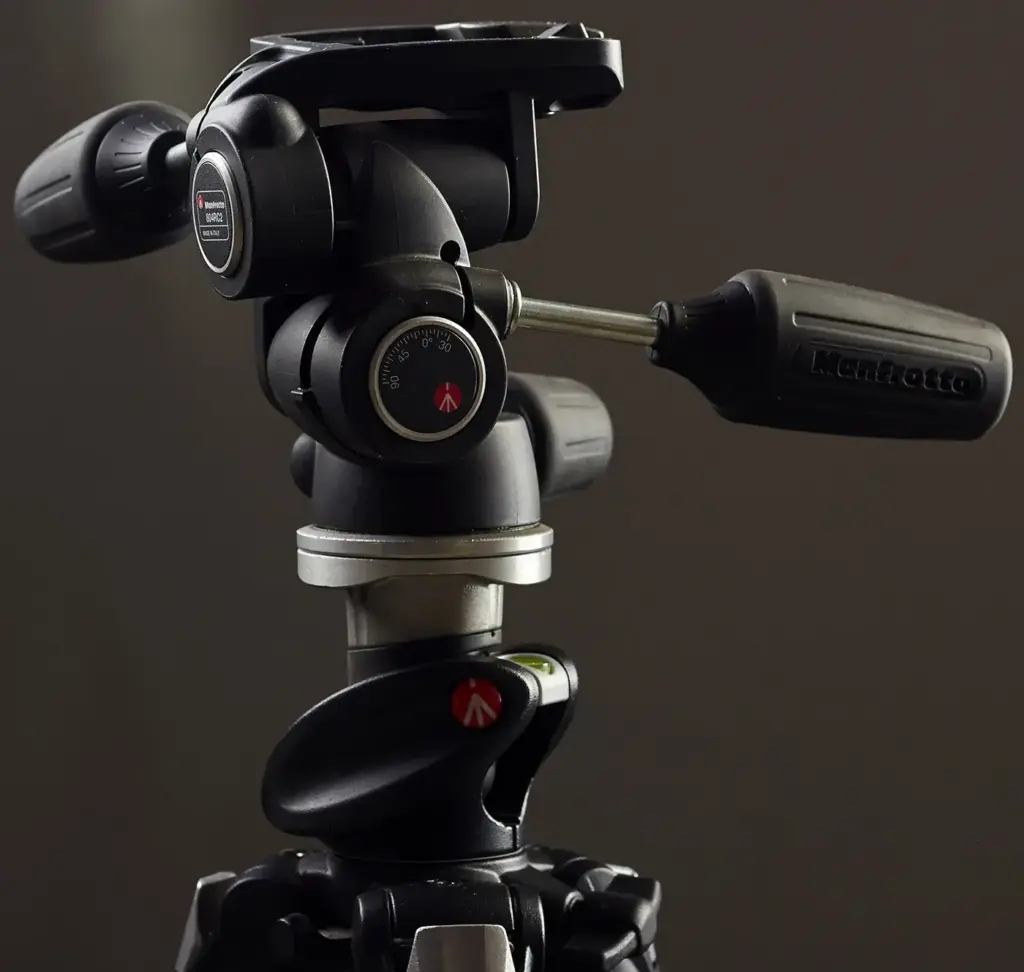
A tripod has three parts: legs, a center column or none, and a head. Most are sold as legs only, with the head separate, which lets you pick a head for the job. See tripod heads for that choice. The legs decide stability, height and portability.
Aluminum Or Carbon Fiber
| Feature | Aluminum | Carbon Fiber |
|---|---|---|
| Weight | Heavier | About 20 to 30 percent lighter |
| Vibration damping | Good | Often better |
| Cold handling | Cold to touch | Comfortable in cold weather |
| Price | Lower | Higher |
| Durability | Dents but rarely breaks | Strong but can crack on hard impact |
Carbon fiber is a good choice if you walk far with your gear. Aluminum is a better value for studio and car-based use.
Check Height
Choose a tripod that reaches your eye level without raising the center column, because a raised column makes the setup less stable. Measure from the floor to your eyes, then subtract the height of the head and camera. A tripod that is too short makes you bend, and one that is too tall is heavy.
Check Load Capacity
Look for a tripod whose rated load is at least twice the weight of your camera, lens and head together. A camera with a 70-200mm lens weighs about 3 to 5 pounds, so a tripod rated for 15 pounds or more gives a comfortable margin. Heavy video rigs with gimbals or monitors need higher ratings.
Features To Look For
- Leg locks that are quick to use and easy to clean, either twist or flip style.
- Three or four leg sections, with fewer sections being steadier and more sections being more compact.
- Independent leg angle settings, so you can set up on uneven ground.
- A hook under the column for hanging a bag to add weight.
- Replaceable rubber feet and spikes for different surfaces.
Common Mistakes
- Buying a tripod that only looks stable when fully retracted.
- Counting the maximum height with the center column fully extended.
- Pairing a lightweight travel tripod with a heavy telephoto lens.
- Skipping a store test and finding leg locks awkward after you buy.
Buying Checklist
- Set it up to your eye height without the column raised.
- Open and close each leg lock and judge how easily it moves.
- Look for a spare parts and warranty policy.
- Mount your heaviest lens and look for sag or creep.
- Make sure the folded length fits your bag.
Handy for this: Carbon Fiber Tripod — sharp at slow shutter speeds. (affiliate link)
Advanced Stiffness, Geometry And Matching The Job
What Makes A Tripod Stable
Stability is a combination of leg diameter, section count, leg angle, locking quality and the stiffness of the material. Thicker top sections resist bending, and wide leg angles lower the center of gravity. A tripod can have a high load rating yet still vibrate if its legs are thin or the locks are loose. Test it by pressing on the head with the legs extended, then tapping the camera and watching how long the shaking lasts. See stabilization on a tripod for why you should turn lens stabilization off when mounted.
Section Count And Extension
Each leg section adds a joint, and each joint reduces stiffness slightly. Three-section legs are generally stiffer than four- or five-section travel models of the same diameter. If you must extend, begin with the thick upper sections and leave the thinnest bottom sections retracted whenever possible. In wind, lower the tripod and hang weight from the hook.
Center Columns
A center column adds quick height but reduces stability once raised. Some tripods have a short column or a reversible column that lets the camera hang low for macro. Others have none at all, which saves weight and stiffens the structure. Choose a column design that fits what you photograph, for example a low-angle column for macro photography or a stiff no-column setup for long exposures.
Match The Tripod To The Genre
| Use | What To Prioritize |
|---|---|
| Landscape and long exposure | Stiffness, spiked feet, hook for weight |
| Travel and hiking | Weight, packed length, carbon fiber |
| Wildlife with long lenses | High load rating, sturdy legs, gimbal head compatibility |
| Video | Smooth head compatibility, bowl mount, high load |
| Studio and product | Low cost, height, stability on smooth floors |
Maintenance And Longevity
Rinse legs with fresh water after sand or salt, then dry them and loosen the locks so they can air out. Clean the threads of twist locks and apply light grease only if the manufacturer recommends it. Check screws for tightness every few months. Following a routine like the one in gear maintenance routine prevents slow slippage and jammed locks.
Quick Release And Mounting
Most tripods use a plate system, such as Arca-Swiss, that lets you attach the camera quickly. Choose a plate that matches your head, and use an L-bracket for fast changes between portrait and landscape. Always tighten the clamp fully and keep a safety stop if the plate can slide out. For long lenses, mount the lens collar on the tripod instead of the camera body.
Alternatives And Add-Ons
- A monopod suits sports and quick moves, where full stability is less important.
- Table-top and flexible tripods help in small spaces but cannot match full legs for long lenses.
- A weight bag adds stability on soft ground.
- Spiked feet grip soil, and rubber feet protect floors.
Think of a tripod as part of the camera system. A heavier lens or video setup needs a larger tripod, so reevaluate when you change gear.
Try It
- Measure the distance from the floor to your eyes, and note your camera and heaviest lens weight.
- Check the load rating and maximum height without a center column on two tripods you might buy.
- In a shop or at home, press down on the head and tap the camera to compare vibration.
- Practice extending only the upper sections and setting the legs at different angles on uneven ground.
Common Questions
Is a carbon fiber tripod worth the price?
It is worth it if you carry the tripod for long distances or shoot in cold conditions. For studio or car use, a good aluminum model gives the same stability for less money.
How much weight should a tripod support?
Choose a tripod rated for at least twice the weight of your camera, lens and head. This gives a margin for wind and for the difference between rated and real-world capacity.
Should I buy a tripod with a built-in head?
Built-in heads are cheap but limited. Buying legs and a head separately lets you upgrade each one and choose a head for photo or video use.
Can a tripod be too light?
Yes. A very light tripod may shake in wind or under a heavy lens. You can add weight with a bag on the hook, but a heavier tripod is more stable in difficult conditions.
Related Lessons
- Tripod Heads for ball, pan-tilt and gimbal choices.
- Stabilization On A Tripod to know when to switch lens stabilization off.
- Long Exposure Photography for work that depends on a stiff support.
- Gear Maintenance Routine to keep legs and locks working.
- Travel Gear Packing for carrying a tripod on the road.
Gear That Helps With This
Hand-picked kit that makes this lesson easier to put into practice.
Some links are affiliate links: if you buy through them we may earn a small commission at no extra cost to you. How this works.