
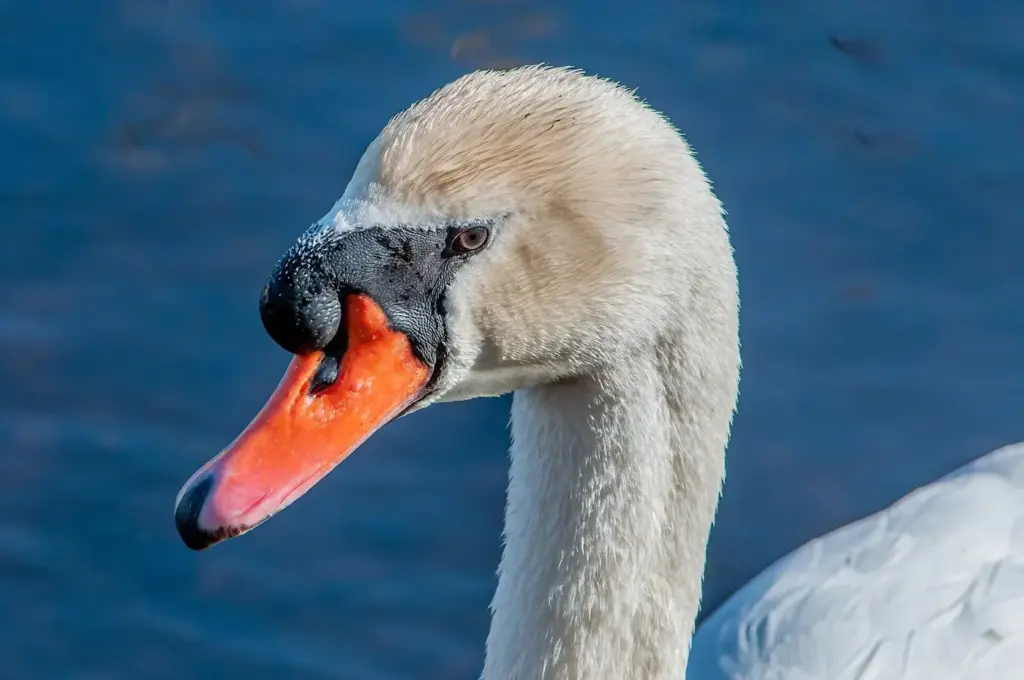
To fill the frame means to make the subject take up most of the picture so that little else competes with it. You do it by moving closer, zooming in or cropping. The result removes distractions, reveals detail and gives the photo a direct, bold feeling, especially for faces, flowers, food and other details.
Why It Matters
One of the most common reasons a photo disappoints is that the subject is too small and the scene around it is too busy. The photographer saw the subject clearly in person, but the camera records everything, including the parking lot behind it. Filling the frame fixes this by removing what does not belong.
The advice is often credited to the war photographer Robert Capa, who is said to have told photographers that if their pictures were not good enough, they were not close enough. Whether or not that is exact, the idea holds up as a quick way to improve a photo.
Beginner How To Fill The Frame
The goal is not to cut off the subject. It is to give the subject most of the space and let everything else support it. There are three ways to do it.
Three Ways To Get Closer
- Move your feet. Walking closer changes the perspective and keeps the background size the same, which often gives the best result.
- Zoom in. A longer focal length fills the frame from where you stand and compresses the background. This suits shy animals and strangers.
- Crop later. Cropping in editing is the easiest fix, but it reduces the number of pixels and cannot change the perspective.
Simple Steps
- Decide what the picture is about, in a few words, such as a baby’s eyes or a flower’s center.
- Look at the edges of the frame. Anything that does not help the subject is a candidate for removal.
- Move closer or zoom until the subject fills most of the space, then check the corners again.
- Check the minimum focus distance of your lens. If the camera will not focus, step back a little or use a longer focal length.
- Focus on the most important part, such as the eye or the sharpest edge.
- Take a wider shot as well. It gives you a safety copy and shows how the closer version compares.
| Subject | How to fill the frame | Typical focal length |
|---|---|---|
| Portrait | Frame from the chest or tighter, eyes in the upper third | 85mm to 135mm |
| Flower or insect | Move close or use a macro lens | 60mm to 105mm macro |
| Food | Shoot from above or at a low angle, close | 35mm to 60mm |
| Street detail | Walk up to the subject or zoom in | 35mm to 85mm |
| Wildlife | Use a long lens | 200mm to 600mm |
Common Mistakes
- Cutting through important parts, such as the top of a head or a hand, because the framing is too tight.
- Getting so close that a wide lens distorts the face or object.
- Ignoring the edges, where a stray object can now appear to touch the subject.
- Filling the frame in every photo, which removes any sense of place.
Handy for this: Macro Lens — fill the frame with detail. (affiliate link)
Advanced Capture Crops, Aspect Ratios And When Not To Fill The Frame
Crop In Camera Or Later
Cropping in editing gives you freedom, but each crop uses pixels. A 24-megapixel photo cropped to half its width has about 6 megapixels left. That is still enough for a screen or a modest print, but not for a large print. If you are certain of the framing, it is best to get it right in the camera. If not, leave a margin around the subject so you can adjust the crop later, as discussed in cropping photos.
Shooting For Aspect Ratio Flexibility
The final use of the photo may need a different shape: a 3:2 print, a 4:5 social media post, a 16:9 video thumbnail or a 1:1 square. If you fill a 3:2 frame edge to edge, converting it to a 4:5 vertical will cut off part of the subject. When you know the destination, you can compose within a shape guide, or shoot a bit wider and crop for each use. See aspect ratios for how common shapes compare.
Perspective Versus Cropping
Moving closer and cropping are not equivalent. Perspective depends on the distance between camera and subject. When you stand close with a wide lens, the nose of a face looks larger than the ears, and the background appears to recede quickly. A distant camera with a longer lens flattens the face and compresses the scene. This is why portrait focal length advice favors 85mm and up. Choose your distance for the look you want, and then choose the lens to fill the frame.
Isolating With Depth Of Field
When you fill the frame, the background is often a blur, and the aperture controls how much. A wide aperture such as f/2 makes a soft wash and a small aperture such as f/8 shows details. The lesson on subject isolation covers the controls.
When Not To Fill The Frame
Some pictures need space. A tiny figure in a vast landscape tells a story of scale, and empty areas create mood. See negative space for those cases. Environmental portraits include the surroundings to say something about the person. The choice depends on what the picture should communicate, and the best photographers shoot both and decide later.
Try It
- Choose a simple subject such as a mug, a flower or a friend, and shoot it at a distance with space all around.
- Move closer in steps and shoot again until the subject fills the frame, stopping at your lens’s closest focus distance.
- Switch to a longer focal length and shoot the same filled framing from farther away.
- Compare the three versions for background, perspective and mood.
Common Questions
What does fill the frame mean?
It means making the subject take up most of the picture by moving closer, zooming or cropping, so that distractions are removed and the viewer sees the subject clearly.
Should I zoom in or walk closer?
Walking closer changes perspective and often feels more intimate. Zooming keeps your distance and compresses the background, which helps with shy subjects or when you cannot get near.
How can I fill the frame without losing flexibility for crops?
Leave a small margin around the subject, or shoot a wider version too. Then crop for each shape you need, such as 4:5 or 16:9, without cutting off important detail.
Is it ever wrong to fill the frame?
Yes. A subject that is too tight can lose context, and wide scenes or empty areas can say more about scale and mood. Choose based on what the photo is about.
Related Lessons
- Subject Isolation to separate a close subject from the background.
- Portrait Focal Length to choose a lens that flatters when you move in.
- Cropping Photos to refine the framing after the shot.
- Negative Space to learn when empty areas serve the picture better.
- Macro Photography to fill the frame with very small subjects.
Gear That Helps With This
Hand-picked kit that makes this lesson easier to put into practice.
Some links are affiliate links: if you buy through them we may earn a small commission at no extra cost to you. How this works.