
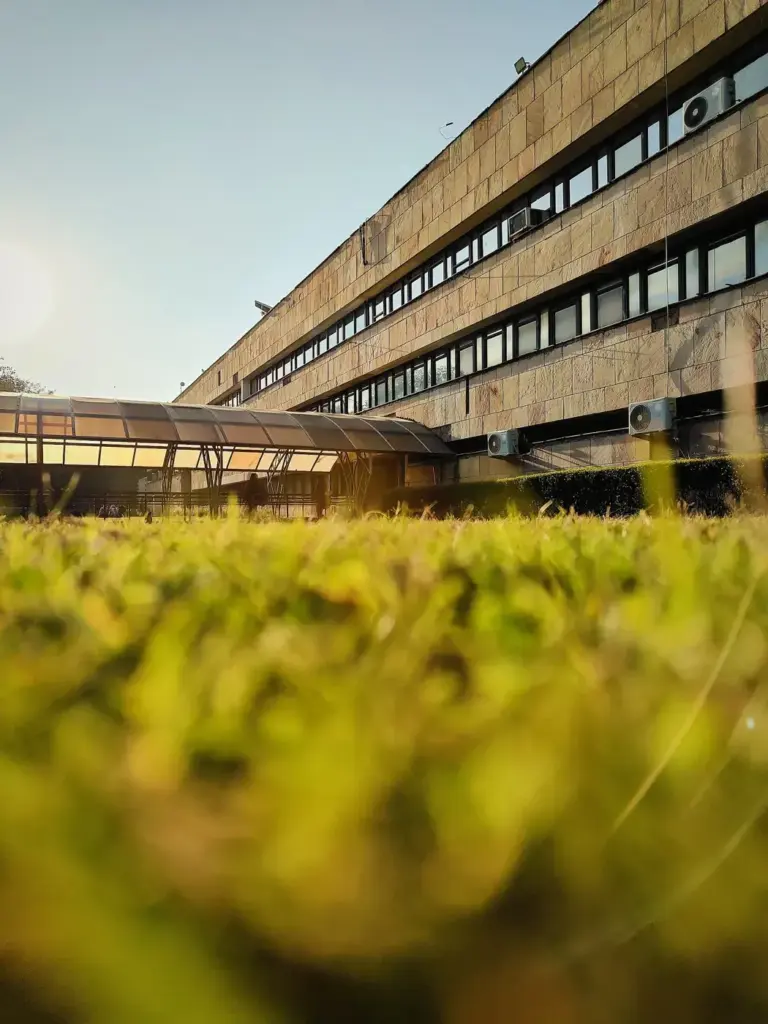
Camera angle photography is the deliberate choice of where to place the camera in height and tilt. A low angle makes a subject look larger and stronger, a high angle makes it look smaller or exposed, and eye level feels neutral and direct. The angle changes mood, perspective and what the background shows.
Why It Matters
Most beginners shoot everything from standing eye height, so their pictures look like everyone else. Moving the camera by a foot or two changes the background, the lines and the feeling of the scene.
Angle is a free tool. It costs no money and no extra gear, and it is often the quickest way to turn a weak picture into a stronger one.
Beginner Camera Angle Photography For Beginners
There are three starting points: eye level, low angle and high angle. Each one has a typical emotional effect, and each also changes the geometry of the image, such as how parallel lines converge and where the horizon sits.
The Main Angles
| Angle | Effect | Good For |
|---|---|---|
| Eye level | Neutral, honest, connected | Portraits, documentary, everyday scenes |
| Low angle | Makes the subject tall, powerful or heroic | Architecture, athletes, trees, dramatic portraits |
| High angle | Makes the subject smaller, softer or more vulnerable | Children, pets, overviews, food |
| Bird-eye or overhead | Graphic, pattern-like and flat | Flat lays, crowds, aerial scenes |
Matching Eye Level To The Subject
Photographing children, pets and small objects from your own standing height makes them look tiny and distant. Crouch or kneel so the camera is at their eye level. The picture feels more intimate, and the background becomes simpler because more of it is hidden by the subject.
Try Before You Shoot
- Take the picture at your normal standing height as a baseline.
- Crouch low and shoot again, then try raising the camera above your head.
- Move left and right by a step to change what lines up behind the subject.
- Compare the results and keep the version where the subject stands out best.
Common Mistakes
- Tilting the camera upward or downward without noticing, which makes buildings lean.
- Shooting down at people from above, which can look unflattering.
- Using extreme angles without a reason, so they feel like a gimmick.
- Forgetting to check what is behind the subject after you move the camera.
A good habit is to take at least three versions of every subject from different heights before you leave. It builds an eye for angles and gives you choices while editing.
Gear That Helps
A tilting rear screen lets you hold the camera low or high and still see the frame. A small tripod or bean bag steadies ground-level shots, and a monopod or extended arm gives extra height. For video and phone work, a handle or short pole is enough to change the vantage point quickly.
Handy for this: Carbon Fiber Tripod — sharp at slow shutter speeds. (affiliate link)
Advanced Perspective, Convergence And Visual Meaning
Angle And Perspective
Perspective is controlled by where you stand, not by the lens. When you lower the camera, the background changes, parallel lines in the scene shift, and objects in the foreground become larger compared with those behind them. Tilting up with a wide lens makes vertical lines converge toward the top, which exaggerates height. Learn more about that effect in perspective correction, and how lens choice changes the look in wide-angle lenses.
Low Angles And Power
A low angle looks up at the subject. It places the horizon low or hides it, fills the background with sky, and separates a subject from clutter on the ground. It is the classic way to show strength, as in photographs of runners, riders and monuments. For portraits, keep a low angle moderate. Too much distortion near the chin and nostrils can look unflattering, although a slight low angle can add confidence to a pose. See portrait focal length for lens choices that reduce distortion.
High Angles And Context
A high angle looks down, which shows layout, scale and relationships. It can make a figure seem small in a large space, which is useful for storytelling about isolation. Overhead views of tables, markets and streets turn scenes into graphic patterns. In portraits, a slight high angle can slim the face and enlarge the eyes, but too much of it shortens the body. Compare with portrait posing in posing portraits.
Dutch And Tilted Angles
A Dutch angle tilts the camera sideways so the horizon is not level. It creates tension and unease, and it is common in film. In still photography use it rarely and deliberately, with a clear angle of 15 degrees or more so it reads as a choice rather than a mistake. A slightly crooked horizon looks like an error.
Angle And Light
Changing your position changes the light on the subject too. A low angle may put the sun behind the subject, giving rim light or flare, while a high angle may reveal shadows on the ground. Check the direction of light on the face or surface each time you move. The lesson on direction of light describes the effect.
Angle In Genres
- Architecture: shoot slightly from the side and use a tilt-shift lens or correct verticals later.
- Food: try 45 degrees for plated dishes and overhead for flat arrangements.
- Pets and wildlife: get to their eye level for a natural connection.
- Street: low and wide angles feel immersive, while high vantage points show patterns.
- Product: a slight high angle shows the top and front together.
Planning And Safety
Plan the angle before you shoot. Look at a location from several heights in your mind. In the field, kneel, climb a safe step or use a tilting screen to reach unusual positions. Never risk a fall or enter unsafe places for a picture. A tilting screen, small tripod or a bean bag makes low angles comfortable and keeps the camera steady.
Try It
- Choose a simple subject such as a plant, a building or a friend.
- Photograph it at eye level, a low angle and a high angle without changing the lens.
- Look at the horizon position, the background and the apparent size of the subject in each version.
- Pick the version that best matches the feeling you wanted and note why it works.
Common Questions
What is the best camera angle for portraits?
Slightly above or at eye level is usually flattering. A low angle can add power but may distort the face, and a high angle can make the body look small.
How do I stop buildings leaning when I shoot up?
Keep the camera level and use a wider lens, then crop, or use a tilt-shift lens. You can also fix converging lines in editing, as described in the perspective correction lesson.
Does angle change the background?
Yes. Moving the camera up or down changes which parts of the background line up behind the subject. A small change in height can remove a distracting object.
When should I use a Dutch angle?
Use it sparingly, when you want tension or energy, such as in action, street or conceptual work. Make the tilt obvious and keep the rest of the composition clear.
Related Lessons
- Perspective Correction to fix leaning lines from tilted shots.
- Wide-Angle Lenses for how focal length exaggerates angle.
- Posing Portraits to combine camera height with posture.
- Horizon Placement for where to put the horizon at each angle.
- Direction Of Light to check how your position changes the light.
Gear That Helps With This
Hand-picked kit that makes this lesson easier to put into practice.
Some links are affiliate links: if you buy through them we may earn a small commission at no extra cost to you. How this works.