
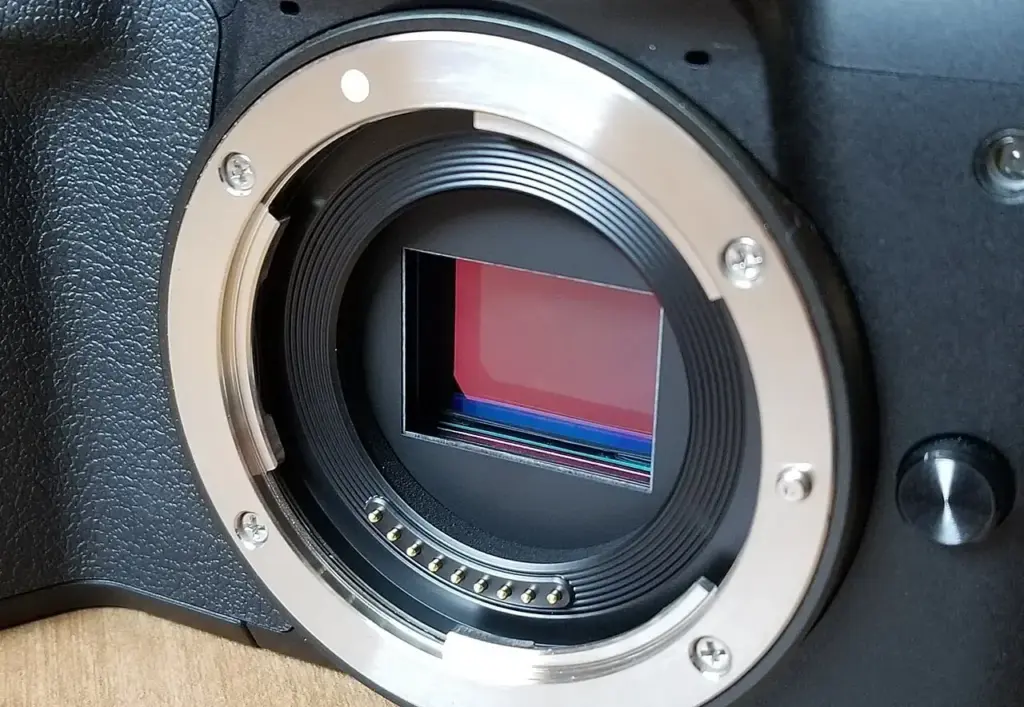
DSLR vs mirrorless comes down to one mirror. A DSLR uses a mirror and prism to show an optical viewfinder, while a mirrorless camera sends the sensor image to an electronic viewfinder or screen. This changes autofocus, battery life, size, silent shooting and video features, but picture quality depends mostly on sensor and lens.
Why It Matters
For many years the DSLR was the standard serious camera. Today most new models from major makers are mirrorless, and older DSLRs sell at lower prices. If you are choosing a camera, upgrading or buying used, you need to know what the difference means in daily shooting, not just in a spec sheet.
The right choice depends on what you shoot, which lenses you own and your budget. Knowing the real differences keeps you from paying for features you will not use.
Beginner The Main Differences
How Each Camera Works
In a DSLR, light passes through the lens and hits a mirror that reflects it up through a prism to the viewfinder. When you press the shutter, the mirror flips up and the shutter opens. In a mirrorless camera, there is no mirror, so light reaches the sensor all the time and the camera shows that image on a screen or electronic viewfinder.
Side By Side
| Feature | DSLR | Mirrorless |
| Viewfinder | Optical, no lag | Electronic, shows exposure |
| Autofocus | Separate sensor in viewfinder mode | On the sensor, wide coverage |
| Size | Larger, heavier | Often smaller and lighter |
| Battery life | Long | Usually shorter |
| Silent shooting | Limited | Common with electronic shutter |
| Video | Basic in many models | Usually stronger |
Viewfinder
An optical viewfinder shows the real scene with no delay and uses no power. An electronic viewfinder shows what the sensor sees, including exposure, white balance and focus aids, before you shoot. See electronic viewfinders for details.
Autofocus
Mirrorless cameras focus using the image sensor, which allows wide coverage and smart subject detection for people, animals and vehicles. DSLRs use a separate focus unit that is fast and accurate in the center but covers a smaller area. Learn more in on-sensor autofocus.
Common Mistakes
– Assuming mirrorless always means better pictures.
– Ignoring battery life when planning a long shoot.
– Forgetting that adapting old lenses may reduce autofocus speed.
– Buying a new DSLR system with few future lenses.
Handy for this: Fast Prime Lens — creamy backgrounds, low light. (affiliate link)
Advanced Choosing Between DSLR And Mirrorless
Image Quality
Sensors are similar in both types. Resolution, dynamic range and noise depend on the sensor and processing, not on whether there is a mirror. For basics, see how sensors work and sensor size comparison. A full frame DSLR and a full frame mirrorless camera of the same generation can produce very similar images.
Battery Life
DSLRs usually shoot many more frames per battery because the optical viewfinder uses no power. Mirrorless cameras keep the sensor and screen running, so batteries drain faster, though newer models have improved. Carry spares, and read camera battery life for ways to extend it.
Shutter And Speed
Mirrorless cameras can use an electronic shutter for silent, fast bursts. It can cause distortion with fast motion and flicker under some lights, so know its limits, covered in electronic shutter. DSLRs have a mirror that makes noise and vibration, though they can be reliable for sports and wildlife at long distances.
Lenses And Adapters
Mirrorless mounts have a short distance between lens and sensor, so adapters can fit many older lenses. This makes it easy to try vintage glass or lenses from other systems. DSLR lens collections can work on mirrorless bodies with a maker adapter, often with full autofocus. Check support before buying, and see third-party lenses for options. New lens development now focuses mostly on mirrorless mounts.
Video
Mirrorless cameras generally have better video autofocus, more codec options and features such as focus peaking and zebra warnings. Many DSLRs shoot good video but with fewer aids. For hybrid shooting, mirrorless is usually the better tool.
Handling
A DSLR often has a large grip and many buttons, which some people prefer. Mirrorless bodies can be compact, but a small body with a large lens can feel unbalanced. Try both in a shop and check menus, button layout and weight. See camera menu settings for features worth setting up early.
Storage And Cards
Both types can offer two card slots for backup, but check each model. Dual slots matter for weddings and events, as in dual card slots.
Which Should You Buy
If you shoot sports at the end of a long day and own several lenses, a DSLR may still serve well and costs less used. If you shoot portraits, video, travel or want the latest autofocus, a mirrorless camera is the better long term choice. Beginners benefit from the electronic viewfinder’s preview of exposure.
Used Market
Used DSLRs offer good value for beginners. Check shutter count, sensor dust and the condition of the lens mount. Used mirrorless cameras are also good, but check firmware support and battery condition.
Summary
The real differences are viewfinder, autofocus, battery life, size and video. Choose by how you shoot and which lenses you want, not by the label.
Sports, Wildlife And Action
For action, the key question is tracking. Recent mirrorless cameras recognize and follow eyes, faces and animals across the frame, which helps with unpredictable movement. A well-set DSLR can still track a subject with its dedicated focus module, but you will often place the focus point manually. Blackout in the electronic viewfinder is small on modern bodies, so fast bursts are easy to follow, and the optical viewfinder has no delay at all, which some sports shooters still prefer.
Travel And Daily Carry
Size and weight matter when you carry a camera all day. A mirrorless body with a small prime is far easier to carry than a DSLR with a similar lens, but a big telephoto lens can erase the saving. Weather sealing, grip comfort and battery spares also affect travel. Think about a typical day of shooting, not the best case, before you decide.
Long Term Value
Check where the maker is investing. If new lenses and bodies are arriving mostly in one mount, that mount will get better support and software updates. Buying into a system with strong lens choices and a clear future helps your equipment stay useful for many years, whichever type you pick.
Try It
- Visit a shop and hold a DSLR and a mirrorless camera with similar lenses.
- Compare the viewfinders in a dim room and in bright light.
- Try the autofocus on a moving person and note how each camera tracks.
- Write down which one felt better, and list lenses you would need for each.
Common Questions
Is mirrorless better than DSLR?
Mirrorless is better for autofocus coverage, video, silent shooting and future lens support, while DSLRs offer longer battery life and a lag-free optical view.
Do mirrorless cameras take better photos?
Not by themselves. Image quality depends on the sensor, lens and technique, and similar sensors give similar results in both.
Can I use DSLR lenses on a mirrorless camera?
Usually yes, with a maker or third-party adapter, and many keep autofocus, but check compatibility for your exact lens and body.
Is a used DSLR still worth buying?
Yes for beginners and budgets, since the cameras are capable and inexpensive, though the lens ecosystem is shifting to mirrorless.
Related Lessons
- Electronic Viewfinders to understand mirrorless viewing.
- On-Sensor Autofocus for how mirrorless focusing works.
- Electronic Shutter for silent shooting limits.
- Camera Battery Life to plan power use.
- Third-Party Lenses for lens options and adapters.
Gear That Helps With This
Hand-picked kit that makes this lesson easier to put into practice.
Some links are affiliate links: if you buy through them we may earn a small commission at no extra cost to you. How this works.