
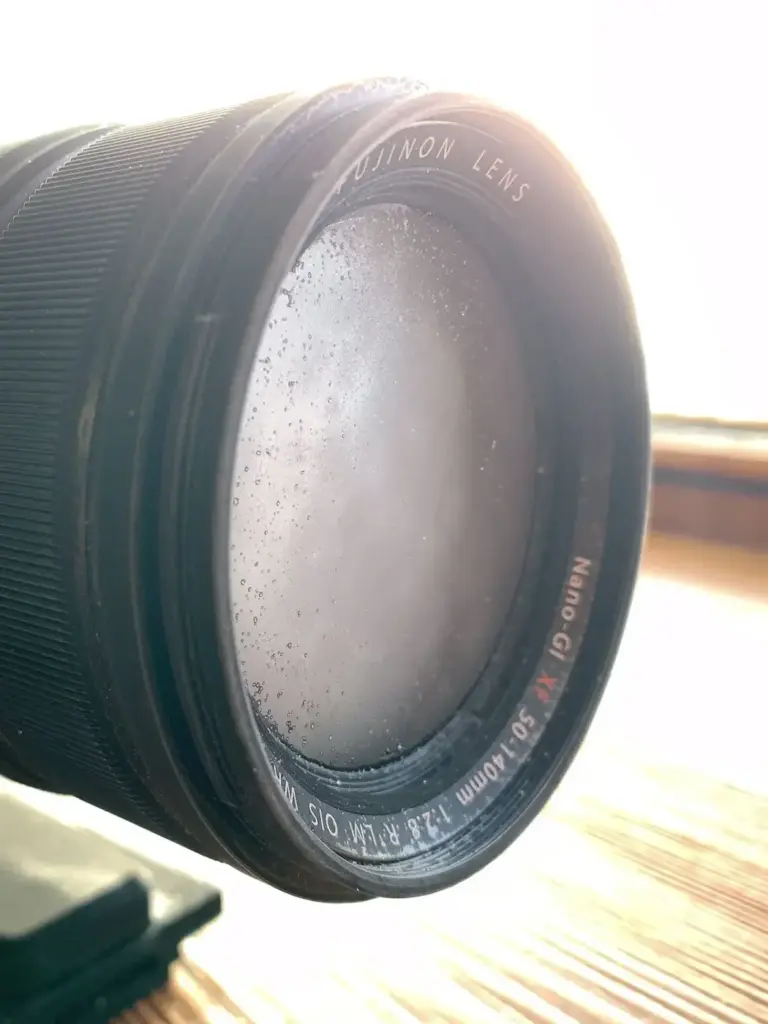
A fogged lens fix starts with finding out whether the fog is outside or inside the glass. Outer fog clears when you let the gear warm up slowly, ideally in a sealed bag, and wipe it with a microfiber cloth. Internal fog needs time in a dry, warm place with silica gel, never heat or disassembly.
Why It Matters
Fog on a lens ruins a shot, and it often shows up at the worst moment: stepping out of an air-conditioned car into a humid morning, or walking into a warm cabin after hours in the cold. The cause is simple physics, and so is the cure.
Knowing the difference between outer fog and internal condensation saves time and protects your gear. Rushing the job with heat can warp parts and leave moisture trapped inside, where it can lead to haze or fungus on the glass.
Beginner Fogged Lens Fix: Clearing Fog Off The Outer Glass
Condensation forms when warm, moist air touches a surface that is colder than the dew point. A cold lens in a warm room, or a cool lens in humid air, fogs for the same reason a cold drink sweats.
Fast Fix For Outer Fog
- Stop shooting and keep the lens cap or body cap on while the gear is still fogged.
- Move into shade or a spot with moving air, and wait. Most outer fog evaporates within a few minutes.
- Wipe the front and rear glass gently with a clean microfiber cloth, using a blower first if there is grit.
- If the fog returns, wait longer, because the lens is still colder than the air around it.
Let Gear Acclimate
If you are carrying cold gear into a warm room, put the camera and lenses in a sealed plastic bag or closed bag before you go in. Squeeze out extra air, and leave it sealed for an hour or until the contents reach room temperature. Moisture then condenses on the outside of the bag and not on your lens. Do the same in reverse when coming out of air conditioning into a hot, humid day.
Quick Comparison
| Situation | Likely Cause | What To Do |
|---|---|---|
| Fog on the front glass that clears in minutes | Warm moist air on cold glass | Wait, then wipe with microfiber |
| Fog that stays and moves when you rotate the lens | Surface moisture | Wipe, then shade the lens |
| Fog that does not wipe off | Internal condensation | Remove lens and dry slowly with silica gel |
| Fog only in the viewfinder | Eye breath or humid air | Wipe the eyepiece and keep it away from your face |
Common Mistakes
- Using a hair dryer or heat gun, which heats glass unevenly and can soften lubricants and glue.
- Wiping fog while the lens is still cold, which spreads the moisture into streaks.
- Changing lenses in a humid place, which lets moist air into the camera body.
- Putting a damp lens into a sealed bag, where the moisture stays trapped.
What To Carry
- A few microfiber cloths in a zip bag.
- A small blower for removing dust before wiping.
- Two or three silica gel packs for your bag.
- A lens hood, which shields the front glass from cold wind and dew.
Handy for this: Carbon Fiber Tripod — sharp at slow shutter speeds. (affiliate link)
Advanced Internal Condensation, Silica Gel And Prevention
Understanding The Dew Point
Condensation happens when a surface cools below the dew point of the air touching it. For example, if air at 80 degrees Fahrenheit holds enough moisture for a dew point of 70 degrees, any surface at or below 70 degrees will fog. That is why a cold lens fogs quickly in humid weather, and why a lens that is only a little cooler than the air may stay clear. Lens glass has a large surface and cools or warms slowly, so it takes time to settle even after the outside is dry.
Internal Fog
Lenses are not perfectly sealed. Zooming and focusing move air in and out of the barrel, and that air carries moisture. After a big temperature change, water vapor can condense on inner glass surfaces. You will see a milky haze that does not wipe off, and it may look different at different zoom settings. Do not disassemble a lens to dry it. Instead, remove the lens from the camera, take off both caps and the battery from the body, and place everything in a warm, dry room away from direct heat. Many people use a sealed plastic box with a few silica gel packs. Leave gear there for several hours or a day until the haze is gone.
Using Silica Gel Properly
Silica gel absorbs water vapor from the air around it. It works best in a small, closed space, so use a bag or box that just fits the gear. Use fresh packs or reusable packs that you have dried according to the maker instructions, and replace them when they stop absorbing. Rice is often suggested, but it absorbs moisture slowly and can leave dust, so silica gel is the better choice. See cold weather batteries for how cold affects other parts of your kit, and salt air camera care for storing gear after humid coastal trips.
Preventive Warming
Prevention is cheaper than correction. Keep lenses in an inside pocket or an insulated bag during cold shoots so they do not cool as far. For night work in damp air, such as astro or long exposures, a USB powered lens heater strap warms the barrel a few degrees above the dew point and prevents dew from forming at all. Set it to the lowest setting that works, because too much heat creates currents of warm air in front of the glass that blur the image. A lens hood adds a few degrees of protection by shielding the glass from the open sky.
When To Seek Service
If haze remains after a day of drying, or you see spots and web-like growth inside the lens, the moisture may have caused fungus or lubricant migration. Stop using it and have a camera repair shop inspect it. Cleaning inside a lens requires special tools and training. For routine cleaning of outer glass, use the guidance in cleaning camera lenses. Gear with seals, as described in weather sealed cameras, resists moist air better but still fogs after big changes in temperature.
Try It
- Next time you bring a camera in from the cold, seal it in a zip bag before you enter the warm room.
- Leave it sealed for an hour, then open the bag and check the glass for moisture.
- Put two silica gel packs in your camera bag and check that they are dry.
- If you shoot at night in damp air, test a lens heater strap and a lens hood to compare dew buildup.
Common Questions
How long does it take for a fogged lens to clear?
Outer fog usually clears in a few minutes once the lens reaches air temperature. Internal condensation can take several hours or up to a day in a dry, warm place with silica gel.
Can I use a hair dryer to defog a lens?
It is better not to. Heat can warm glass unevenly and affect lubricants, glue and seals. Use gentle airflow and time, or a warm room, instead.
Why does my lens fog when I go outside?
A cool lens from an air-conditioned room meets warm, humid air, and moisture condenses on the glass. It clears once the lens reaches the outside temperature.
Does silica gel really help a fogged lens?
Yes, in a sealed bag or box it absorbs moisture from the air and helps internal moisture escape. It works slowly, so leave the gear there for hours.
Related Lessons
- Cold Weather Batteries for protecting power and gear in freezing conditions.
- Weather Sealed Cameras for how seals handle moisture and temperature change.
- Cleaning Camera Lenses for safe methods to wipe glass once the fog is gone.
- Salt Air Camera Care for handling humid, salty coastal conditions.
- Lens Hood for shielding the front glass from dew and stray light.
Gear That Helps With This
Hand-picked kit that makes this lesson easier to put into practice.
Some links are affiliate links: if you buy through them we may earn a small commission at no extra cost to you. How this works.